Klara Wolf · 4 October 2026
Analyzing the Evolution of Alert Customization Features in Enterprise Visibility Platforms
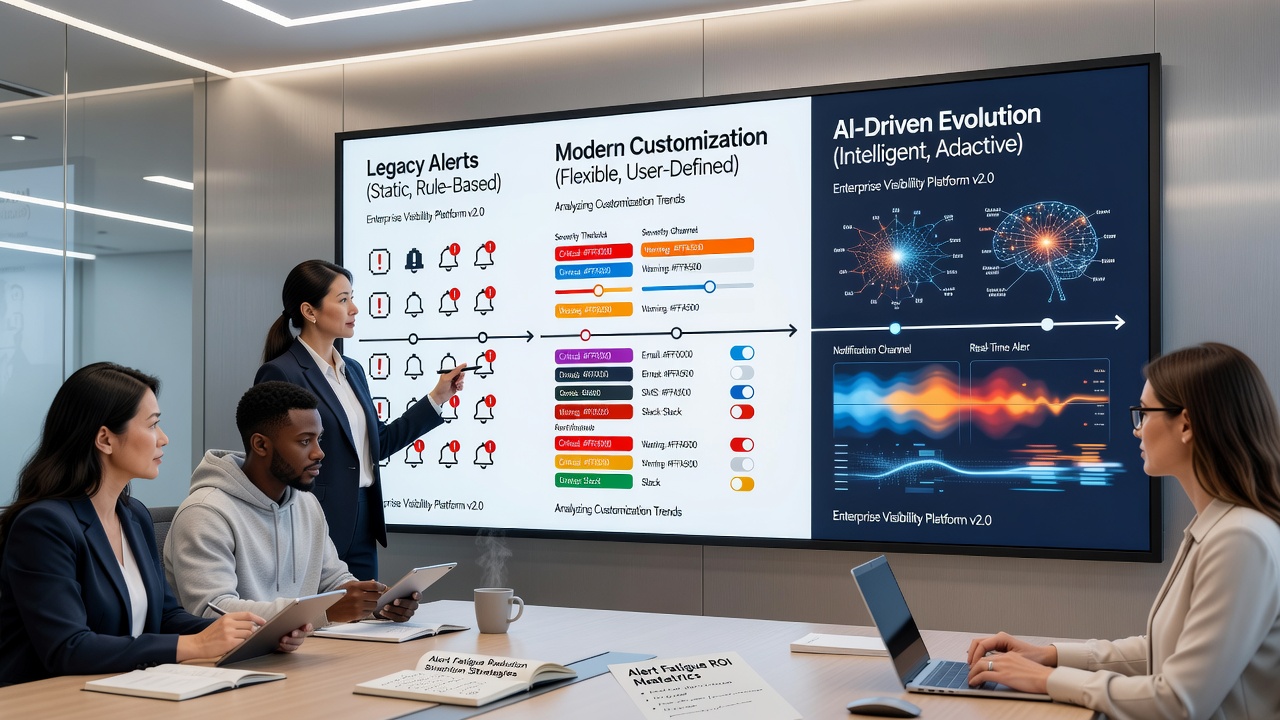
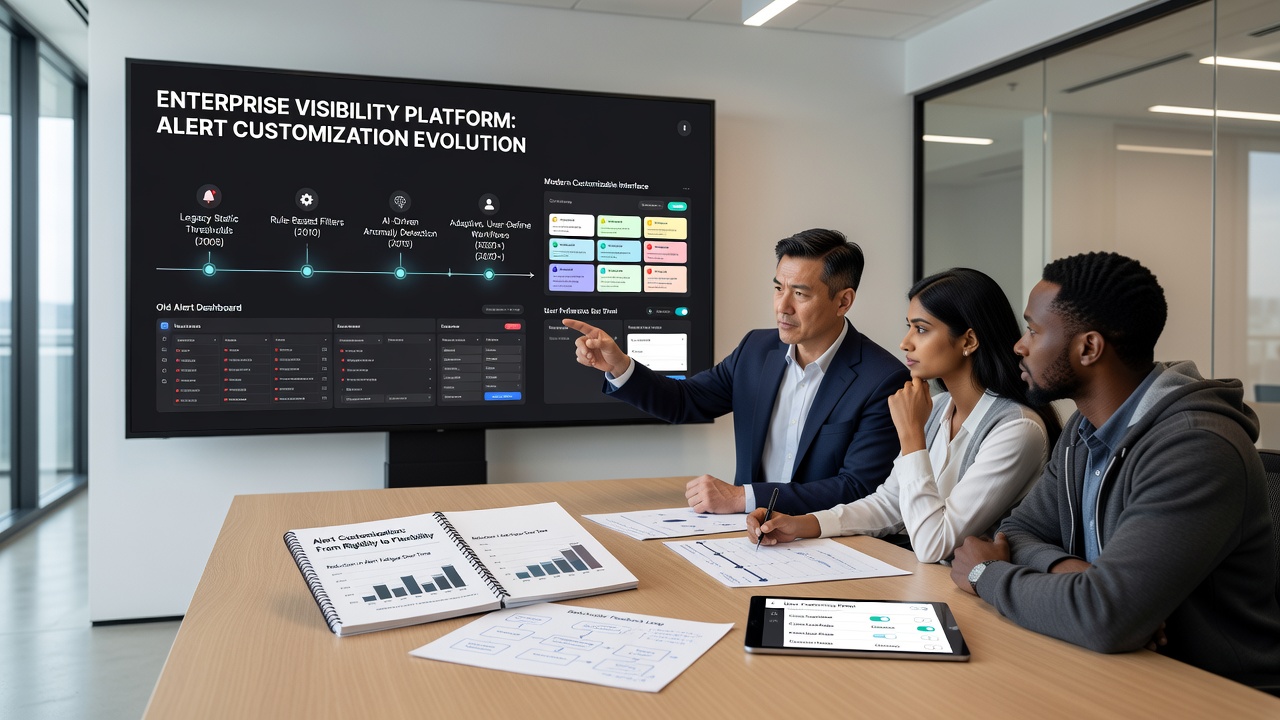
Enterprise visibility platforms began with straightforward notification systems that sent fixed messages to administrators when thresholds were crossed, and those early setups relied on rigid parameters that offered little room for adjustment. Over time organizations expanded these capabilities to include basic filters such as severity levels adn recipient lists, which allowed teams to route messages more precisely while still operating within predefined templates.
Early Development Phase
During the initial years developers focused on integrating alerts with email servers and pagers, yet the customization remained limited to simple on or off toggles and static schedules. Research from the National Institute of Standards and Technology shows that many systems in the late 1990s supported only three or four configurable fields, and users often resorted to workarounds like separate monitoring instances to achieve finer control. This approach created maintenance overhead because each instance required independent updates and synchronization.
Platform vendors responded by introducing rule builders that accepted conditional statements, and these additions marked the first meaningful step toward personalization. Teams could now define conditions based on multiple metrics at once, while still depending on manual coding for complex logic that combined data from different sources.
Expansion Through the 2010s
By the middle of the following decade platforms incorporated tag-based grouping and dynamic variables that pulled values directly from monitored objects. Observers note that this change reduced duplication because a single alert definition could adapt to hundreds of similar assets without separate copies. Data from industry analyses indicate adoption rates climbed steadily as companies migrated from on-premise tools to cloud-hosted visibility suites that supported version-controlled alert libraries.
Integration with external ticketing systems arrived next, allowing alerts to create or update records automatically based on custom mappings. Those mappings often included conditional branching that checked asset location or business unit before routing, and such features proved especially useful for multinational enterprises that operated under varying compliance regimes.
Advances in Machine Learning Integration
Recent developments have added machine learning components that suggest alert thresholds based on historical patterns, and these suggestions update continuously as new data arrives. Platforms now permit users to define suppression windows that automatically silence notifications during maintenance periods or known anomaly windows, while still logging the underlying events for later review. According to figures from the European Union Agency for Cybersecurity, organizations that deployed such suppression logic reported measurable reductions in alert volume without loss of critical coverage.
Granular permission models allow different teams to modify only the alerts that affect their domains, and audit trails capture every change for compliance reporting. In October 2026 several major vendors released updates that extended these permission controls to include attribute-level restrictions, enabling administrators to lock specific fields within an alert definition while leaving others editable.
Current Capabilities and Standardization Efforts
Modern alert engines support complex expressions that reference external data sources through APIs, and they can trigger actions such as running remediation scripts or posting updates to collaboration channels. Standards bodies have begun publishing schemas for alert metadata, which helps ensure interoperability when organizations combine tools from multiple providers. A report published by the Australian Cyber Security Centre outlines recommended fields for these schemas, including fields for business impact scoring and escalation paths that align with incident response frameworks.
Users can now attach context-rich annotations that travel with each alert, and these annotations support rich text and embedded links to runbooks. Such additions have streamlined handoffs between monitoring teams and operations staff because relevant documentation appears directly in the notification rather than requiring separate lookup.
Conclusion
The progression from static notifications to highly configurable, context-aware alert systems reflects broader shifts in how enterprises manage operational awareness. Continued refinement of rule engines, permission structures, and integration points indicates that customization features will keep expanding to accommodate increasingly distributed and dynamic environments.